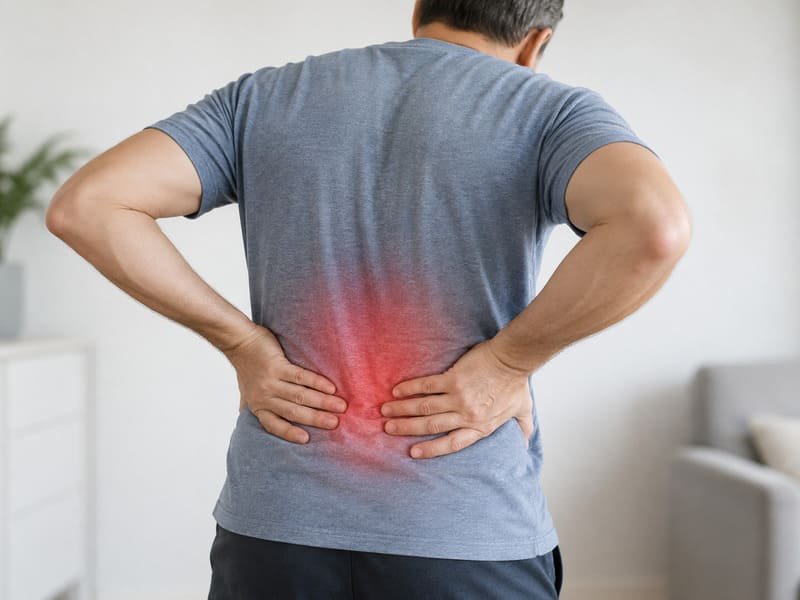
Chronic low back pain is common—but living with pain does not mean you have to stop moving or give up the activities that matter to you.
Low back pain is considered chronic when it lasts for 12 weeks or longer. It may be present every day or come and go over time. For some people, the exact cause can be identified. For many others, chronic low back pain develops from a combination of changes in the muscles, joints, discs, nerves, activity level, sleep, stress, and the way the nervous system processes pain.
The goal of treatment is not always to eliminate every sensation of pain. Often, the most meaningful goals are to improve movement, sleep, daily activities, independence, and quality of life while reducing pain as much as reasonably possible.[1]
What Does Chronic Low Back Pain Feel Like
Symptoms vary from person to person. You may experience: aching, soreness, or stiffness in the lower back; pain that becomes worse after prolonged sitting or standing; pain with bending, lifting, twisting, or certain movements; muscle tightness or spasms; pain extending into the buttocks; difficulty walking, exercising, sleeping, or completing daily activities; episodes of increased pain followed by periods of improvement.
Pain that travels down one leg with numbness, tingling, burning, or weakness may indicate irritation of a spinal nerve and should be discussed with a healthcare professional. [1]
Why Does Low Back Pain Become Chronic
Chronic low back pain does not always have a single cause. Conditions that may contribute include: muscle or ligament strain; degenerative changes of the spine; osteoarthritis; herniated or degenerative discs; spinal stenosis; sacroiliac joint problems; nerve irritation or radiculopathy; previous injuries; reduced strength or physical conditioning.
Sleep problems, prolonged inactivity, stress, depression, anxiety, obesity, smoking, and demanding physical work may also influence how a person experiences and recovers from persistent pain.
Importantly, pain intensity does not always equal the amount of tissue damage present. Persistent pain can involve changes in how the brain, spinal cord, and nervous system process pain signals. [1]
How Is Chronic Low Back Pain Evaluated
A healthcare professional will usually begin by asking about: when the pain started; where the pain is located; activities that make it better or worse; whether pain travels into the legs; numbness, tingling, or weakness; previous injuries or surgeries; medications and treatments already tried; how pain affects sleep, walking, work, mood, and daily activities.
A physical examination may evaluate strength, sensation, reflexes, flexibility, walking, and movement.
Imaging such as X-rays, CT scans, or MRI is not necessary for every person with low back pain. Your healthcare professional may recommend imaging when symptoms, examination findings, trauma, or other medical concerns suggest that additional evaluation is needed. [3]
What Can Help
Chronic low back pain is often managed best with a multimodal approach, meaning several strategies are used together rather than relying on one treatment. [2]
Keep Moving
For many people with chronic low back pain, appropriate physical activity is one of the most important parts of long-term management.
Depending on your condition and abilities, this may include: walking; gentle stretching; strengthening exercises; core stabilization exercises; aerobic activity; yoga or tai chi; water-based exercise; physical therapy.
A gradual return to activity is generally preferred over prolonged bed rest.
Your exercise program should be appropriate for your health, abilities, and underlying condition. [2]
Physical Therapy
A physical therapist may help with: strength and flexibility; posture and body mechanics; walking and mobility; safe lifting techniques; individualized exercise; gradual return to activities.
The goal is often to help you function better and become more confident moving despite pain. [2]
Heat and Cold
Some people find temporary relief from: [1]
Heat
May reduce muscle tightness and stiffness; can be helpful before activity or stretching. [1]
Cold
May temporarily reduce discomfort following certain activities or pain flare-ups.
Protect your skin and avoid applying extreme temperatures directly to the body. [1]
Sleep and Recovery
Pain can interfere with sleep, and poor sleep can make pain feel more intense.
Helpful habits may include: keeping a regular sleep schedule; staying active during the day; limiting caffeine late in the day; creating a comfortable sleep environment; discussing persistent insomnia with your healthcare professional. [1]
Stress and Pain Management
Stress does not mean pain is imaginary. However, the nervous system, emotions, sleep, and pain are closely connected.
Approaches that may help some people include: mindfulness; relaxation exercises; meditation; cognitive behavioral therapy; breathing exercises; music; support groups.
These approaches can complement—not replace—medical evaluation and physical treatment. [2]
What About Medication
An NSAID may help when it is safe for you. Use the lowest effective dose for the shortest appropriate time. Risks include stomach bleeding, kidney problems, and cardiovascular effects.
NICE advises against acetaminophen alone or gabapentinoids for low back pain. Discuss medication choices and other medical conditions with your clinician. Do not change prescription treatment on your own. [3]
What About Opioids
Opioids are generally not the first treatment used for chronic low back pain.
For selected patients, clinicians may consider them after carefully weighing potential benefits and risks and after other appropriate approaches have been explored.
Potential risks include: sedation; constipation; falls; physical dependence; tolerance; opioid use disorder; dangerous interactions with other sedating substances; respiratory depression and overdose.
When opioids are prescribed, patients should understand how to take them safely and how to recognize signs of overdose.
If you already take an opioid regularly, discuss any reduction with your prescriber; do not stop it suddenly on your own. [2] [4]
Focus on Function
A pain score tells only part of the story.
Consider tracking whether treatment helps you: walk farther; sleep better; prepare meals; complete household activities; exercise; return to hobbies; work or attend school; spend meaningful time with family; become more independent.
Small functional improvements can be meaningful signs of progress. [4]
Questions to Ask Your Healthcare Professional
Consider asking:
- What might be contributing to my back pain?
- Are there symptoms that should concern me?
- Would physical therapy benefit me?
- What types of exercise are safe for me?
- What non-medication treatments can I try?
- What are the benefits and risks of my medications?
- What functional goals should I work toward?
- When should I return for reevaluation?
When Should You Seek Urgent Medical Attention
Go to an emergency department now if back pain is accompanied by any of the following:
- New trouble starting urination, inability to empty your bladder, or loss of bladder or bowel control
- New numbness around the groin, genitals, inner thighs, or buttocks
- Severe or rapidly worsening leg weakness or new inability to walk
These may be signs of cauda equina syndrome or another serious nerve problem. Do not wait for a routine appointment.
Seek prompt medical evaluation for significant trauma, fever or chills with severe back pain, unexplained weight loss, or new or worsening pain with a history of cancer. [1] [5]
Living Well With Chronic Low Back Pain
Managing chronic low back pain often requires patience and consistency. Improvement may occur gradually rather than overnight.
A useful approach is to focus on what you want pain treatment to help you do.
Instead of only asking:
“How can I get my pain to zero?”
also consider:
“What would I like to be able to do more comfortably?”
Walking around the neighborhood, playing with your children or grandchildren, sleeping through the night, returning to work, exercising, or becoming more independent can all be meaningful treatment goals.
Sources and further reading
[1] MedlinePlus, U.S. National Library of Medicine. (n.d.).
[2] World Health Organization. (2023, December 7).
[3] National Institute for Health and Care Excellence. (2016; updated 2020). (n.d.).
[4] Dowell, D., Ragan, K. R., Jones, C. M., Baldwin, G. T., & Chou, R. (2022).